
 English
 Italian
 Tiếng Việt
 Francais
Mark I. Davies, Esq., J.D., University of Pennsylvania Law School, licensed by the SRA (SRA ID: 384468) in the UK, and a member of The Law Society of England & Wales, MBA, Wharton School of Business. Named a Top 25 EB-5 Immigration Attorney by EB5 Investors Magazine. Ranked Band 1 for E-2 visas in Singapore by Global Citizenship Services (2026). Licensed in the USA. Georgia State Bar member. AILA member.
New York E-2 Visa Lawyers for Business Setup and Investment
E-2 Visa Business PlanE2 Visa CostE2 Visa requirementsE-2 Visa LawyerE-2 Visa ProcessE-2 Visa RenewalDS-160 Form GuideE-2 Visa FAQs
Last reviewed and updated: ⚡ August 2026 (Added 2026 GCS Award)
Guidance on launching, acquiring, and operating a New York business on an E-2 visa, including business setup, escrow structures, NYC incentives, and investment strategy.
Davies & Associates' New York E-2 visa lawyers represent entrepreneurs and investors from around the world seeking to launch, acquire, or expand businesses in the United States under the E-2 treaty investor visa program. Our New York team works closely with clients applying through U.S. consulates globally, including Singapore, London, Frankfurt, Paris, Toronto, Sydney, and other major E-2 processing posts. We also maintain country-specific E-2 resources for Italy, France, Germany, and our full E-2 treaty countries guide.
Award-Winning E-2 Visa Lawyers in New York
Davies & Associates is proud to be recognised by Global Citizenship Services for its E-2 visa capabilities in New York, alongside its ranked teams in London and Paris. These independent rankings reflect our international experience advising treaty investors and entrepreneurs.
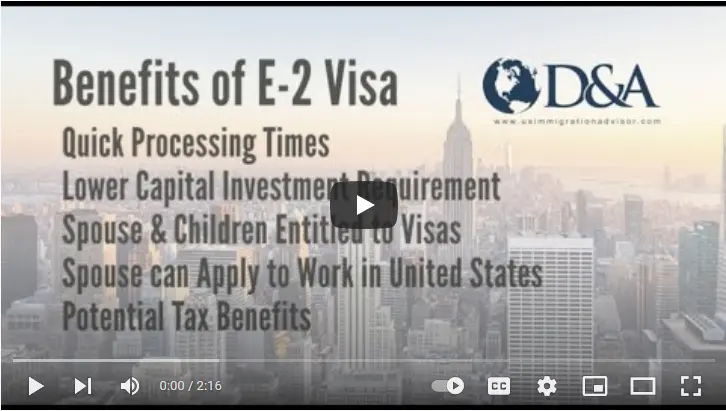
We are also proud to have been recognised as a Global Top 25 Investment Visa Law Firm for seven years by EB5 Investors Magazine.
Speak with a New York E-2 Visa Lawyer
Free initial assessment of your E-2 case. Offices at 1 World Trade Center and 200 E 69th Street.
Request Free Consultation
For a complete explanation of E-2 visa eligibility, treaty-country rules, investment requirements, renewals, and timelines, see our comprehensive E-2 visa guide. This page focuses on E-2 visa legal representation in New York City and the operational, corporate, and tax issues that arise when launching or acquiring a New York business.
What Our New York E-2 Practice Does
Davies & Associates' New York E-2 visa lawyers assist foreign investors with:
- E-2 visa petitions for investors and qualifying employees
- Business acquisition and start-up structuring in New York City
- Escrow arrangements for E-2 investment funds, a structure D&A has used extensively for more than a decade
- E-2 business plans, valuation, and proportionality analysis
- Consular processing coordination at U.S. embassies and consulates worldwide
- New York licensing, lease review, employment agreements, and operational setup
- Citizenship-by-Investment pathways (Grenada, Turkey) for non-treaty nationals
- Tax structuring for foreign-owned U.S. businesses
Typical clients include: foreign entrepreneurs opening a NYC business, overseas businesses expanding into the U.S. market, E-2 investors purchasing existing New York businesses, fashion / hospitality / consulting / technology / retail / franchise entrepreneurs, family offices and high-net-worth investors, and non-treaty nationals using Citizenship-by-Investment + E-2 strategies.
Two New York offices: 1 World Trade Center (Financial District) for primary E-2 business clients, and 200 E 69th Street (Upper East Side) for private clients and family offices.
Table of Contents
- Why Davies & Associates for New York E-2 Cases
- E2 Change of Status Vs. E2 Visa
- Buying a Business in New York with an E-2 Visa
- E-2 Visa Lawyer vs Business Broker
- How Much E-2 Investment Is Required in New York?
- Case Study: European Fashion Brand in New York
- New York Business Incentives for E-2 Investors
- E-2 Visa Real Estate Businesses in New York
- How to Choose the Best New York E-2 Visa Lawyer
- Common Causes of E2-Visa Denials
- The E-2 Business Plan is Critical
- E-2 Visa Reciprocity
- E-2 Visa FAQs
⚖️ Expert Tip: For comprehensive advice on selecting the right legal partner for your E-2 application, consult our specialist resource:
Why Davies & Associates for New York E-2 Cases
A successful E-2 visa case in New York is more than an immigration application. It is a combination of business strategy, corporate structuring, tax planning, and consular coordination. Because an E-2 visa can generally be extended for as long as the underlying business is operational, your immigration status is tied to operational success. That requires a legal team built around exactly this kind of work.
What Sets the Davies & Associates New York E-2 Practice Apart
- Dedicated New York E-2 visa lawyers — not generalists who file occasional E-2 cases
- Integrated corporate and tax support — entity formation, lease review, employment agreements, U.S. and international tax structuring
- Global consular coordination — offices and consular relationships across Europe, Asia, the Middle East, and the Americas
- Extensive E-2 business-plan experience — thousands of E-2 business plans across industries
- Escrow and investment structuring guidance — D&A has used escrow arrangements in E-2 cases extensively for more than a decade
- Citizenship-by-Investment integration — the only U.S. law firm formally licensed by the Government of Grenada as a Marketing Agent for the Grenada CBI Program
Davies & Associates advises entrepreneurs around the world on structuring qualifying investments, preparing E-2 visa petitions, and handling both consular filings and change of status applications. Our New York team has supported clients in growing E-2 businesses across the United States, working closely with our business and tax lawyers to position those enterprises for long-term success.
Click Here to Read E-2 Visa Case Studies and Client Comments on our ServiceObtaining E-2 Status in New York versus E-2 Visa Consular Processing Abroad
There are two ways to be in New York in E-2 status:
(1) To apply to "change status" in the U.S.; or
(2) To obtain an E-2 visa in a U.S. consulate abroad and use it to re-enter the United States.
1. Change of Status from within the US
Clients looking for a business in New York usually want to see the business before they purchase it. It is possible to travel to the United States on a B1 business visa for this purpose.
Clients present in the US on a B1 business or other non-immigrant visa may then later decide to remain in the U.S. and may be able to “change status” to E2 status from within the US. For a step-by-step walkthrough of both routes, see our E-2 visa process guide.
As it is not possible to obtain any visa from within the United States, persons who changed status to E2 status from another visa and subsequently depart the United States will have to obtain an E2 visa from a US consulate abroad in order to return to the United States.
2. Obtaining an E2 Visa outside the US
Those looking to operate a business in New York can obtain an E2 visa by filing an E2 application at the consulate in their home country. D&A’s international E-2 team coordinates with our New York lawyers and local advisors where appropriate to assist you with this process.
Why Local Counsel Matters in New York
Davies & Associates is a full-service global law firm focused on immigration and corporate law. Contact Davies & Associates to schedule a consultation with an immigration attorney.
- Licenses: USCIS or the applicable U.S. consulate will expect you to have a properly formed and licensed business in New York. This is a matter of local New York State and city law.
- Publication Requirement: New York has a rule requiring certain new businesses to be published in a local newspaper. It is easier for a local firm to assist with this.
- Local Contracts and Employment Agreements. As part of your E-2 case, you will want to submit proof that you are either in business or ready to immediately start operating. To do this, you need to have customers and suppliers with properly drafted agreements.
- Employment Agreements. Employment agreements are critical for three reasons:
(1) They document that you have employees for your E-2 visa application;
(2) Employment Agreements protect the business from costly litigation and can prevent employees from leaving with your customer lists and business "secrets"; and
(3) They make it clear that employment is “at will” and can be terminated at any time (typically with a few weeks' notice). - Connecting to Local Resources. A firm with a local presence can assist you in connecting to the local resources you will need to operate your business.
For some things a firm with a presence in New York is less essential:
- Registering Trademarks and Patents. Many foreign clients forget that in the U.S. it is necessary to re-register their trademarks. Doing this prevents another party from "hi-jacking" your brand or using your logos in a way that is inconsistent with your brand. Trademarks are registered Federally so local presence is not relevant.
- National Contracts. Many clients have contracts they use across the United States. The choice of law for those contracts can be complex and may or may not involve New York considerations.
- Holding Companies and Structures in Other States. Some clients register a business in another state, such as Delaware, and then register their non-New York business to do business in New York. You might not need a local New York lawyer to structure a business involving multiple states.
New York E-2 Visa Lawyers with Business and Corporate Support
Davies & Associates has a specialist E-2 visa team based at 1 World Trade Center in the Financial District and on the Upper East Side, focused on meeting the E-2 visa needs of our business clients. Unlike most immigration firms, our New York E-2 practice is built into a full-service legal platform that pairs immigration counsel with corporate, tax, and business-plan support — all under one roof.
Every E-2 case is prepared for filing in New York by experienced E-2 visa lawyers. For extra client care, every case is then reviewed and audited by our Complex E-2 Visa Case team, based in Canary Wharf, London.
Our New York E-2 visa team has corporate lawyers who can assist you to ensure that your business is properly formed and licensed in any U.S. state. Our corporate lawyers will work seamlessly with our E2 immigration lawyers to ensure that the applicable documentation is presented to the US immigration authorities.
Led by Gary Kaufman, our tax lawyers are highly experienced at addressing tax matters in New York and across the United States. We commonly work with foreign counsel on structuring for complex international taxation issues.
Our New York E-2 visa team supports lawyers across our international platform to assist clients to set up or acquire an E-2 qualifying business in New York. If you are looking for an E-2 business in New York then our New York E-2 team can assist you.
When needed our New York E-2 visa team can call on our international colleagues for the latest advice on local consular procedures and other issues.
Buying a Business in New York with an E-2 Visa
A significant share of E-2 visa cases involve the acquisition of an existing New York City business rather than a start-up. Buying an established business can shorten the path to E-2 approval because the enterprise is already operating, has documented revenue, and has employees in place — helping satisfy the “real and operating” and non-marginality requirements under 8 CFR § 214.2(e). However, business acquisitions also introduce a distinct set of legal and operational considerations that the E-2 investor must address before closing.
Asset Purchase vs. Stock Purchase
The structure of the acquisition matters for E-2 visa purposes as well as for liability and tax. In an asset purchase, the buyer acquires specific assets (equipment, inventory, customer lists, lease, intellectual property) and typically does not assume undisclosed liabilities. In a stock purchase, the buyer acquires the entity itself — including all known and unknown liabilities. Most E-2 buyers prefer asset purchase structures, but stock purchases can be appropriate when key contracts, licenses, or permits are not assignable. Our New York corporate lawyers structure the acquisition to support both the immigration case and the underlying business.
Due Diligence for E-2 Acquisitions
Due diligence in an E-2 acquisition serves a dual purpose: confirming the business is what the seller represents, and gathering the documentation USCIS or the consulate will expect. Key items include:
- Three years of tax returns, profit and loss statements, and bank records
- Existing customer contracts and supplier agreements
- Employee records, payroll history, and existing employment agreements
- Any required licenses or permits (and whether they are transferable)
- Lease for the business premises and the landlord's position on assignment
- Litigation history and any pending claims
- Inventory valuation and condition reports
Lease Assignment
Most New York commercial leases require landlord consent for assignment. The landlord may use the assignment request as an opportunity to renegotiate terms or refuse the transfer. For E-2 buyers, securing a clean lease assignment (or a fresh lease in the new entity's name) is often a precondition to closing — because the consulate will expect to see a binding right to operate from the premises. The free NYC Commercial Lease Assistance Program can also support this.
Employee Retention
An E-2 acquisition typically involves keeping the existing workforce. New employment agreements will usually need to be issued by the buyer entity, and the buyer should confirm:
- Which employees are critical to continuity (and whether non-compete or non-solicit terms apply)
- Whether any employees are on visas tied to the seller (which generally do not transfer)
- Any accrued benefits or PTO that will carry across
- The federal and New York State requirements for new-hire onboarding (I-9, payroll registration, workers' compensation)
License Transfer
Many regulated New York businesses (food and beverage, liquor, professional services, child care, transportation, certain retail categories) require licenses that do not automatically transfer with a sale. Some require a fresh application in the buyer's name; others permit assignment subject to regulator approval. Treating license transfer as an afterthought is a common mistake — a sale that closes before licensing is sorted can leave the buyer unable to lawfully operate.
Escrow at Closing
For E-2 buyers, escrow can play two distinct roles. First, the qualifying investment funds are typically held in escrow pending visa approval (so that funds are “irrevocably committed” under 8 CFR § 214.2(e)(12) but recoverable if the visa is denied). Second, a portion of the purchase price is often held in escrow at closing to cover seller representations and warranties, undisclosed liabilities, or specific transition contingencies. Coordinating both escrows requires careful drafting.
E-2 Visa Lawyer vs. Business Broker: What's the Difference?
Foreign investors looking to buy a New York business often start with a business broker. Brokers can be helpful for sourcing opportunities and understanding market pricing, but their role is fundamentally different from that of an E-2 visa lawyer — and the two are not interchangeable. Mistaking one for the other is a common and expensive error.
| Function | Business Broker | E-2 Visa Lawyer |
|---|---|---|
| Sourcing businesses for sale | Yes — primary role | No |
| Assessing E-2 visa suitability of a business | No (and brokers typically have no E-2 expertise) | Yes — against statutory and regulatory criteria |
| Structuring the qualifying investment | No | Yes — including escrow, asset valuation, proportionality |
| Drafting the purchase agreement | Sometimes provides templates; not legal counsel | Yes — with corporate/tax counsel |
| Source-of-funds documentation for E-2 | No | Yes — one of the most common refusal grounds |
| Filing the E-2 visa petition or consular application | No | Yes |
| Compensation | Commission paid by seller (typically 8–15% of sale price) | Legal fees paid by buyer/investor |
| Whose interests are represented | Usually the seller's (broker's commission depends on closing) | The investor's (subject to professional conduct rules) |
Not Every Business Is E-2 Suitable
This is the single most important point investors miss. A business may be profitable, well-priced, and well-located, but still not qualify as an E-2 investment. Common deal-breakers include:
- Marginal income — the business generates only enough to cover the investor's living expenses (failing the non-marginality test under 8 CFR § 214.2(e)(15))
- Passive income — the business is structured for absentee ownership rather than active direction and development
- Insufficient employment — the business has no plan for U.S. employment growth
- Source-of-funds problems — the seller wants a quick close, but the buyer's funds cannot be lawfully traced in time
- Regulatory issues — federally illegal industries (such as cannabis) carry severe non-immigrant visa risks
Engaging an E-2 visa lawyer before signing a Letter of Intent or making a deposit allows the investor to assess E-2 suitability before financial commitments harden. A common mistake is hiring the lawyer only after the broker has lined up a deal that turns out not to qualify.
Considering buying a New York business on an E-2 visa? Have us assess the business for E-2 suitability before you sign anything.
Request Free ConsultationHow Much Investment Is Required for an E-2 Visa in New York?
There is no fixed minimum E-2 investment under U.S. law. The legal test is proportionality: the capital must be substantial in relation to the total cost of the business, sufficient to ensure the investor’s commitment, and of a magnitude that supports the likelihood of successful operation (8 CFR § 214.2(e)(14)).
For New York City businesses, most successful E-2 cases involve total qualifying investment of around USD 100,000 or more. However, the qualifying investment does not have to be cash. Under 8 CFR § 214.2(e)(12), capital may include inventory, equipment, leasehold improvements, intellectual property, brand value, and similar non-cash assets, provided each is properly valued and irrevocably committed to the U.S. business. For a detailed cost breakdown, including non-cash investment categories, see our E-2 visa costs guide.
Davies & Associates has secured E-2 approvals where the cash component of the investment was as low as USD 30,000, supported by additional non-cash assets (such as inventory and brand value) that brought the total qualifying investment to a substantial figure under the proportionality test. The Koza case study below illustrates exactly how this works — USD 30,000 in cash, USD 75,000 in inventory, and USD 125,000 in brand value combined to support a USD 230,000 qualifying E-2 investment.
Form DS-160 and DS-156E for E-2 Applicants
E-2 visa applicants applying at a U.S. consulate file Form DS-160 (Online Nonimmigrant Visa Application) with the U.S. Department of State. Following the State Department’s 2024 update, DS-156E content for principal investors is folded into the DS-160; DS-156E remains required for E-2 employees (managers, executives, essential workers) and may still be requested by some posts as a supplementary form. For a step-by-step walkthrough of the DS-160, including common errors that delay E-2 cases, see our DS-160 form guide.
E-2 visa applicants applying at a U.S. consulate file Form DS-160 (Online Nonimmigrant Visa Application) with the U.S. Department of State. Following the State Department’s 2024 update, DS-156E content for principal investors is folded into the DS-160; DS-156E remains required for E-2 employees (managers, executives, essential workers) and may still be requested by some posts as a supplementary form. For a step-by-step walkthrough of the DS-160, including common errors that delay E-2 cases, see our DS-160 form guide.
New York's Three Layers of Business Tax
Most U.S. cities only add state tax on top of the federal baseline. New York City adds a third layer that catches many foreign investors by surprise: a separate city-level tax on business income, stacked on top of New York State tax, on top of federal tax. C-corporations doing business in NYC generally owe the NYC Business Corporation Tax (successor to the historic General Corporation Tax); unincorporated businesses — including most LLCs that have not elected corporate treatment — generally owe the NYC Unincorporated Business Tax (UBT). Neither replaces NY State franchise tax or federal tax; they stack on top of it.
For an E-2 investor comparing New York City to another U.S. location, this stacked structure is worth building into the business plan's financial projections from the outset, not discovering after the first tax filing. Entity choice (LLC vs. C-corp vs. S-corp election) and eligibility for any of the NY State or NYC credits described above can materially change the effective tax rate.
Disclaimer on Tax Rates
Tax rates, thresholds, and entity-election rules change periodically at the federal, New York State, and New York City level. This section describes the structure of NYC business taxation, not current rates. Confirm current rates and entity-election strategy with a tax professional before finalizing an E-2 business plan. Our tax team, led by Gary Kaufman, advises E-2 clients on New York and multi-state tax structuring.
Structuring a New York business for tax efficiency? Our tax team can model NY State and NYC tax exposure alongside your E-2 business plan.
Request Free ConsultationCase Study:
Growing a European Fashion Brand in New York on an E-2 Visa
Our Client's Background and Challenge
Background:
Our client, Koza, is owned by a German-born fashion designer who at the time of the original E-2 case was living in London. The client wanted to temporarily move back to Frankfurt and to process her case from the U.S. consulate in Frankfurt.
The Challenge:
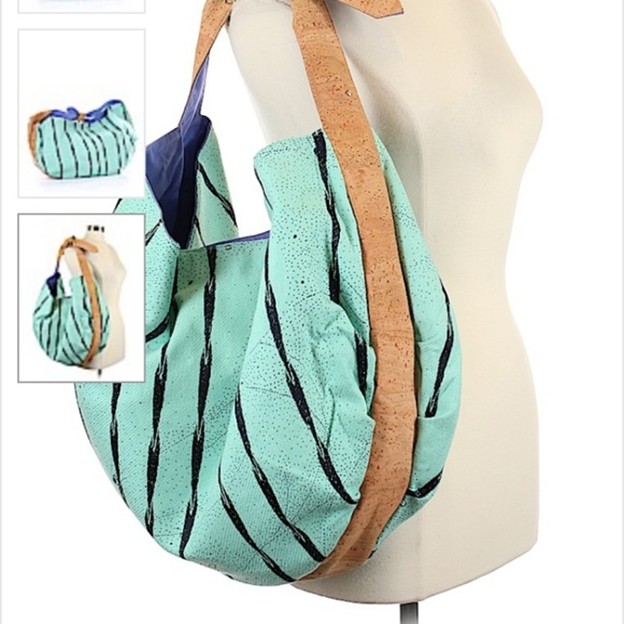
The client had invested heavily in developing a valuable and recognized brand. Given demand for the client's bags in the New York fashion market and their swimwear in the Miami market, Koza needed to expand into the United States. Koza did not have the cash available to fund a significant expansion. A question also arose as to the investment required for E-2 visa purposes.
The E-2 Value of a Brand: Minimal Cash Investment
Brand Value: $125,000
Value of Inventory: $75,000
Available Cash: $30,000
Total E-2 Investment: $230,000
We have assisted a number of E-2 clients where the value of their brand has been a critical component of the E-2 qualifying investment. This case was no different.
How Koza Leveraged its Brand as E-2 Investment:
The usual process would be for the European business to license the brand to the US firm or to sell a franchise to the US firm. A license fee is then typically paid by the US business to the European firm. That is, the E-2 applicant invests cash directly into the US business and the US business then uses that cash to pay the European firm for the license or franchise. A proper and fair valuation of the brand must be included.
Our lawyers have extensive experience with the fashion industry and rapidly realized the value of Koza's brand. Working with our European Fashion team in Milan we were rapidly able to identify an expert to value Koza's brand.
At the time, we had created licensing agreements for a number of clients involving E-2 cases in London that had been accepted as "investment" for E-2 visa purposes, but never in Frankfurt.
By investing product inventory and licensing the U.K. brand to the U.S. entity Koza was able to minimize the cash investment in the new New York business.
Cash Irrevocably Committed to Funding the Business but Returnable if the E-2 Failed
The cash that was invested was placed in escrow pending E-2 visa approval to be used in the future to fund the operating needs of the business. Had the visa been refused, the escrow account could have been closed and the funds returned to the investor.
Business Plan Critical
As with any E-2 visa the business plan was critical in this case. Our business plan team co-ordinate with the clients, or NY fashion business lawyers and our E-2 lawyers in Frankfurt.
Our New York Lawyers Built a Real New York Business Model
A successful New York E-2 visa case requires more than available funds. The investor must show that they will direct and develop an active commercial enterprise in the United States.
Our New York team helped create a business model that was realistic, scalable, and compliant with E-2 visa requirements.
A Smaller New York Launch Made the Case More Credible
Rather than proposing a large retail operation from the outset, our lawyers advised the client to launch a small design and brand development studio in New York City.
This matched the actual stage of the business and made the U.S. expansion plan more credible.
The New York Business Had a Clear Commercial Purpose
The New York studio was designed to support core business activities in the U.S. market.
Design and Product Development
The New York office would be used to develop new handbag collections and adapt designs for the American market.
Brand Development
The New York presence gave the client a base for building relationships with buyers, retailers, and industry contacts.
U.S. Growth
The business model showed how the client would expand distribution and visibility in the United States.
Our New York Lawyers Helped Establish the Business Operationally
Our New York E-2 visa attorneys did not stop at the immigration filing. We also helped the client take practical steps to establish the business in New York City.
Business Setup in New York City
We helped the client structure the New York business so it was positioned to begin operating after visa approval.
New York City Licensing Support
Our team also assisted with New York City licensing issues connected with launching the business.
For international founders, immigration and local setup often need to move together. This was an important part of the value our New York lawyers added.
Our New York Lawyers Helped Create a Credible Operating Presence
The case was stronger because the proposed U.S. business was not abstract. It had a real operating model.
Small Design Space in New York
The client took a small design space in New York City to serve as the base for the U.S. side of the brand.
Early Staffing
The client also had one employee assisting with operations.
Why This Helped the E-2 Case
These details showed that the business would have a genuine presence in New York and that the investor would actively direct and develop it.
That is a key part of a strong E-2 visa lawyer New York strategy.
Our New York E-2 Visa Lawyers Worked With Colleagues in London and Germany
This case also showed the advantage of Davies & Associates’ international platform.
The client was a German national living in London, with an established London brand, expanding into New York City, and applying for an E-2 visa in Frankfurt.
That required coordination across multiple jurisdictions.
New York Lawyers Led the U.S. Strategy
Our New York lawyers led the E-2 visa strategy and structured the U.S. business plan.
Because the company was entering the U.S. market through New York City, our local team ensured the business model reflected realistic commercial activity in New York.
London Lawyers Supported the Brand Background
Our London colleagues helped document the client’s established fashion brand and existing business history.
This helped show that the New York expansion was part of a genuine international growth strategy.
Germany Based Support helped With Frankfurt
Because the visa application was processed through the U.S. Consulate in Frankfurt, Germany based support helped coordinate the consular stage of the case.
This helped ensure that the documentation for Frankfurt was clear and well organized.
Our Lawyers Used Escrow to Protect the Client Before Approval
Another important feature of the case was the use of escrow.
No funds were spent before the visa was approved in Frankfurt. Instead, the investment funds were placed in escrow.
Why Escrow Strengthened the Case
Escrow helped show that the funds were committed for E-2 purposes.
At the same time, it protected the client from spending money before a final visa decision.
Why This Matters for E-2 Investors in New York
For many international entrepreneurs launching a business in New York, escrow is a smart way to balance immigration strategy and financial protection.
Funds Were Released After Approval
Once the E-2 visa was approved in Frankfurt, the escrow funds were released for the New York business.
This allowed the client to move ahead with the launch on a protected basis.
Result: E-2 Visa Approved in Frankfurt and New York Business Launched
The E-2 visa was approved in Frankfurt, allowing the client to relocate to the United States and oversee the New York expansion personally.
After approval, the client completed the relevant New York City licensing steps, opened the New York design space, and began operating with the support of one employee.
Why This Case Shows the Value of New York E-2 Visa Lawyers
This case highlights the practical value of working with experienced New York E-2 visa lawyers.
Immigration and Business Setup Were Handled Together
The case was stronger because the immigration filing and the New York business structure were aligned from the beginning.
The New York Business Model Was Credible
The business was structured as a real operating enterprise, not a passive investment.
International Coordination Added Value
The coordination between New York, London, and Germany helped support a stronger and more coherent case.
The Client Entered New York on a Stronger Foundation
By the time the visa was approved, the New York business structure, licensing path, and operating plan were already in place.
Have a similar cross-border E-2 case? Our New York and London teams coordinate on complex E-2 matters across jurisdictions.
Request Free ConsultationNew York Business Incentives for E-2 Investors
New York State and New York City together offer one of the most extensive business support frameworks in the United States, with programs covering tax credits, grants, financing, training subsidies, free legal and accounting assistance, hiring support, and commercial lease advice. Many foreign-owned E-2 businesses qualify for one or more of these programs but are simply unaware that they exist.
While government grants and tax credits do not count as the investor’s own “investment” for E-2 visa purposes (8 CFR § 214.2(e)(12)), participation in recognised state and city programs is excellent evidence that an enterprise is real, operating, and positioned for growth — key elements of E-2 visa adjudication and renewal under 8 CFR § 214.2(e)(15).
Foreign-owned businesses establishing in New York can typically access the same programs as domestic businesses, subject to each program’s eligibility criteria. There is generally no citizenship requirement for the entity itself — the business must be properly formed and registered to do business in New York State, and it must satisfy the program-specific criteria around industry, size, location, jobs, or investment thresholds. The list below is organised into three tiers, from broadly applicable to specialised.
Tier 1 — Most Useful for Foreign Investors Tier 1
These five programs apply to the broadest range of foreign-owned businesses operating in New York and offer the most immediate practical value to most E-2 visa investors.
NYC Business Solutions Centers
Free business courses, financing assistance, legal assistance, hiring assistance, government navigation, compliance consultations, and M/WBE certification. The single best starting point for most foreign-owned small businesses launching in NYC. Access via nyc.gov/sbs or hotline 888-SBS-4NYC (888-727-4692).
NYC Commercial Lease Assistance Program
Free legal services to eligible small businesses for signing new commercial leases, amending or renewing existing leases, and addressing related lease disputes. Almost every E-2 client signs a New York lease at some point — and a poorly drafted lease is one of the most expensive mistakes an entrepreneur can make. Particularly valuable for foreign investors unfamiliar with U.S. commercial-lease practice.
SSBCI Technical Assistance Program
Provides free expert legal, accounting, and financial services to help small businesses and startups access capital. Particularly valuable for foreign investors navigating U.S. financing, banking, and tax-structuring questions for the first time. Pairs naturally with the SSBCI direct loan program (USD 54M for manufacturing acquisition, renovation, and equipment).
Excelsior Jobs Program
Four refundable tax credit components over a benefit period of up to 10 years:
- Excelsior Jobs Tax Credit: 6.85% of wages per net new job
- Excelsior Investment Tax Credit: 2% of qualified investments
- Excelsior R&D Tax Credit: 50% of the federal R&D credit for R&D conducted in New York (8% for qualified green projects)
- Excelsior Real Property Tax Credit: available to firms in certain distressed areas
Particularly relevant for E-2 investors planning to scale headcount in New York within the first two years.
Global NY Grant Fund
Reimburses up to 50% of total project costs (75% for not-for-profit economic development organisations) for projects that develop export markets for New York State businesses. Especially relevant for E-2 investors in fashion, manufacturing, food & beverage, professional services, and design businesses with international growth ambitions.
Tier 2 — Industry-Specific Programs Tier 2
These programs are valuable but apply only to specific industries, business sizes, or property types. Confirm eligibility before relying on any of them in business-plan projections.
QETC — Qualified Emerging Technology Company Credits
For early-stage technology companies. The QETC Employment Credit offers USD 1,000 per new full-time employee. The QETC Capital Tax Credit provides 18% of certain R&D expenditures, up to USD 150,000 per year. Qualifying categories include software development, internet technologies, biotechnology, electronic devices, and advanced materials.
NYC Industrial and Commercial Abatement Program (ICAP)
Up to 25-year property tax abatement for commercial renovations. Valuable for E-2 investors taking longer-term commercial space in the outer boroughs or upper Manhattan and undertaking material build-out.
FuzeHub Manufacturing Grants
Grants supporting manufacturers to solve technical challenges, improve processes, and drive innovation. Run in partnership with Empire State Development.
Empire State Development — Employee Training Incentive Program
50% of eligible training costs (up to USD 10,000 per employee receiving eligible training); 50% of intern stipend (up to USD 3,000 per intern). Useful for E-2 businesses that need to train newly hired U.S. staff.
Start-Up NY
Tax-free operating environment on participating SUNY/CUNY campuses. Geographically limited and most useful for upstate locations or NYC-based ventures with a formal university partnership.
Grow-NY
Annual global food and agriculture business competition with non-dilutive funding, mentorship, and access to industry partners. Limited to startups in the Grow-NY region.
Tier 3 — Specialised Situations Tier 3
These programs apply to specific situations and are listed for completeness. Most foreign investors will not use them, but they are worth knowing about.
Cannabis NYC Loan Fund
For Conditional Adult-Use Retail Dispensary licensees. Note that marijuana-related activity remains a federal-law issue and may have severe consequences for any non-immigrant visa holder, including E-2 investors. Consult specialist counsel before taking any role in cannabis businesses.
Brownfield Cleanup Program (BCP)
For investors acquiring and developing contaminated or formerly contaminated property in New York State.
Empire State Jobs Retention Program
Specifically for businesses retaining jobs after a natural disaster declared by the Governor.
POWER UP, FAST NY, New York Works Economic Development Fund, Empire AI Partnership
Large-scale state programs aimed at substantial industrial, AI, and power-infrastructure projects. Generally outside the scale of typical E-2 investments but listed for reference.
Minority and Women Business Enterprise (MWBE) Program
For businesses majority-owned by women or qualifying minorities. Certification opens access to state contract set-asides and additional grant programs. Available where the foreign-owned business meets ownership and residency criteria.
How to Apply
Most state programs are administered through Empire State Development. The annual Consolidated Funding Application (CFA) is a common entry point for many state grant programs and is typically open from July to September, with awards announced in December. Projects are reviewed first by the Regional Economic Development Council (REDC) for the relevant region, then by state agencies.
For New York City programs, the simplest starting point is the NYC Business Solutions Centers. They will assess which city and federal programs apply, help with applications, and connect businesses with their CDFI partners through the NYC Funds Finder online capital marketplace.
Key resources: Empire State Development (esd.ny.gov); NYC Small Business Services (nyc.gov/sbs) and hotline 888-SBS-4NYC (888-727-4692); SBS Connect online portal (sbsconnect.nyc.gov).
Disclaimer on Government Programs
Government program details, eligibility criteria, funding amounts, and application windows change regularly. The information above is provided as a general overview as of March 2026 and is not legal, tax, or financial advice. Confirm program details directly with Empire State Development, the NYC Department of Small Business Services, or the relevant administering agency before relying on any program. Davies & Associates LLC is a U.S. immigration law firm and does not administer any of the programs listed.
Want to see which NY incentives apply to your business? Our corporate and tax lawyers can map applicable programs to your E-2 case strategy.
Request Free ConsultationAvoiding New York Property and Investment Fraud in E-2 Cases
The E-2 Visa property fraud is simply the statement that investments in property in New York do not qualify for E-2 visas. Whether or not an investment in a property business in the New York area qualifies for an E-2 visa depends upon the business:
-
Purely passive investments.
Purely passive investments such as purchasing an apartment do not qualify for E2 visas.
-
Operating Businesses
Operating businesses that sustain employment are likely to qualify for an E2 visa. Examples may include:
- Directing and controlling a large apartment building in New York that has multiple employees.
- Purchasing a portfolio of properties where a full-time employee renovates and maintains those properties which are then placed in the rental market or sold. The more employees such businesses have (such as leasing staff, rental invoicing and collections staff, administrative staff and others) may increase the chance of E-2 visa success.
Choosing an E-2 Immigration Lawyer
Many clients select an E-2 visa lawyer only to have their cases denied. Choosing the right lawyer is critical to your success with your E-2 visa application. Read our guide to selecting an E-2 visa lawyer for key questions when choosing an E-2 visa immigration lawyer in New York.
Our New York E-2 Case Experience
Every day our New York team of E-2 visa lawyers receives inquiries from multiple E-2 visa applicants around the world. We file E-2 visa applications very frequently and receive multiple new E-2 visa inquiries every week of the year. We are one of the most active E-2 visa practices in both New York and the United States.
Can Davies & Associates Help if Another Law Firm's E-2 Visa Application Was Denied?
Yes. We are frequently called on to help clients whose E-2 visa applications were denied when filed by another firm. Although our own prepared cases have an exceptional approval record, we have deep experience rehabilitating cases that started elsewhere. In nearly every such case we have taken on, we have been able to secure approval on re-filing or appeal. One notable exception involved a case originally filed by another law firm in Singapore in August 2013, which our firm was unable to successfully appeal.
Past results do not guarantee future outcomes. Every case is evaluated on its individual merits.
Common Reasons E-2 Visa Applications Are Denied
First, according to U.S. State Dept. data, E-2 visas have an exceptionally high approval rate, often in the low 90 percentiles. Second, if weak applications filed without the assistance of an immigration lawyer are filtered out, then the approval rate is even higher. In our opinion, E-2 visa applications demand a highly specialized and experienced team of lawyers and business professionals. If you ask a lawyer how many E-2 visa petitions they typically file each week of the year, you will find that many firms simply do not have deep experience in this area. That may well account for many of the cases that are refused. Asking a lawyer whether they have a team that EXCLUSIVELY handles E-2 or investor visa matters can be educational. For a complete list of E-2 visa qualification standards, see our E-2 visa requirements page.
Who Does Davies & Associates’ New York E-2 Practice Represent?
Our E-2 visa team is trusted by businesses of every size ranging from “Fortune 100” global corporations to individual entrepreneurs launching their first business in the United States.
Our New York E-2 Investor Visa Practice

The business plan is your chance to explain your business and how it meets the requirements of the law. It is critical that the law firm representing you thoroughly understand your business and are integral in the preparation of the business plan.
We often travel to our clients’ business sites simply to enhance our understanding of their operations. Davies & Associates has a dedicated E-2 visa business plan team experienced with preparing thousands of E-2 visa business plans.
📖 2026 D&A Guide
Why is our Global Reach Important to Clients of our New York office?
While it is possible to file for “change of status” from within the United States, E-2 visa applications are always filed in local consulates. Different consulates have different rules for E-2 visa applications, so local knowledge and experience with a consulate is essential.
Unfortunately the requirements for E-2 visa applications vary at every US consulate. Fortunately, our team has a comprehensive global network. Through our global network we maintain up-to-date information on the latest procedures and regulations at US consulates around the world.
How We Prepare Strong E-2 Visa Applications
What our Clients Say
“Another law firm told me that it was not possible for me to obtain an E-2 visa. Davies & Associates obtained a five year E-2 visa for me.”
Typically immigration lawyers are trained in small firms and often have no business experience. Often immigration lawyers “grow up” filing family-based immigration petitions.
Davies & Associates lawyers graduated from the very top US law schools and most were initially trained as business lawyers in the 10 largest law firms in the world. Many of our lawyers also hold MBA degrees from the world’s top business schools, including the Wharton School of Business.
Few immigration firms combine dedicated E-2 immigration lawyers, corporate counsel, tax lawyers, business-plan professionals, and international consular experience within one platform.
We believe the outstanding quality of our lawyers is directly responsible for our industry-leading E-2 visa approval rate.
Where do Davies & Associates E-2 Visa Clients come from?
Our clients come from every continent, except Antarctica. We frequently file cases for clients from across Europe, Australia, the Middle East (including Egypt), South America and Asia.
For nationals of non-treaty countries (such as China, India, Vietnam, Russia, and South Africa), the E-2 visa is generally only available after acquiring a treaty-country citizenship through a recognised Citizenship-by-Investment program. Davies & Associates is the only U.S. law firm formally licensed by the Government of Grenada as a Marketing Agent for the Grenada Citizenship-by-Investment Program, which pairs naturally with our E-2 visa practice.
What is the State Department Reciprocity Problem?
Consular officers are guided by nationality-based US State Department guidelines as to the maximum validity of each E-2 visa they issue. The range of the maximum validity is from three (3) to sixty (60) months. For the full per-country reciprocity schedule, see our E-2 treaty countries reciprocity table.
Davies & Associates is relied on by other US immigration law firms for our guidance as to how to deal with E-2 visa issuance for nationalities where the guidelines lead consular officers to issue an E-2 visa with a very limited period of validity.
Why Does Davies & Associates Have Lawyers Admitted in Multiple International Jurisdictions on Its E-2 Visa Team?
For many nationalities the ability to obtain a US visa depends on issues of foreign law. For example, E-2 visa applicants are required to prove that their funds were lawfully earned in a foreign country. Our firm includes non-US lawyers who assist clients with making lawful transfers of funds and obtaining written opinions on issues of foreign law that are necessary for an E-2 visa application.
Every week of the year Davies & Associates lawyers provide clients with advice as to how to lawfully transmit funds from non-US jurisdictions to finance their US businesses.
Why do Davies & Associates open Escrow Accounts for E-2 Visa Clients?
The law requires that your funds be “irrevocably” invested in the US business. Unfortunately as funds in a business checking account can easily be withdrawn they do not qualify as being “irrevocably invested” in the US business. For a new or smaller business it can be challenging to irrevocably invest the sums required.
Our firm commonly solves this problem by opening an escrow account for clients under the terms of which the funds can only be:
(1) withdrawn for legitimate business purposes; or
(2) refunded to the client in the event that their E-2 visa application is denied. By holding the E-2 visa funds in this way they are deemed to be “irrevocably” invested in the business and can be used for any legitimate business expense.
Our Financial District and Upper East Side E-2 Offices
D&A maintains two locations in New York City, each serving a distinct client base.
Downtown New York Office:
1 World Trade Center
Our downtown office at 1 World Trade Center is the firm's primary New York business location. All immigration notices and USCIS correspondence for the firm are processed from this office. Our downtown team serves our E-2 and L-1 visa clients in New York and coordinates with our offices across the United States and around the world.
Upper East Side:
E-2 Visa Private Clients and Family Office Center
Our Upper East Side office is dedicated to serving private clients, including those pursuing E-2 investor visas. The discreet residential setting is well-suited to the confidential and highly personal nature of E-2 investment for ultra high net worth and family office clients.
Our Upper East Side location also caters to the needs of Family Office clients.
Our Private Clients Center has arrangements with the Metropolitan Museum of Art which can also facilitate private client meetings for our Family Office clients.
Government and Authority Sources
The E-2 visa is governed by U.S. statute, regulation, and policy guidance. The primary public-facing sources are:
- USCIS — E-2 Treaty Investors (primary federal agency for change-of-status filings)
- U.S. Department of State Foreign Affairs Manual, 9 FAM 402.9 (consular guidance for E-2 adjudication)
- U.S. Department of State — Visa Reciprocity and Civil Documents by Country (per-country reciprocity table)
Davies & Associates monitors changes to these sources continuously and incorporates updates into our New York E-2 practice.
FAQ: New York E-2 Visa Lawyers
Can I use an E-2 visa to buy an existing New York business?
Yes. A significant share of E-2 visa cases involve the acquisition of an existing New York City business rather than a start-up. Buying an established business can shorten the path to E-2 approval because the enterprise is already operating, has documented revenue, and has employees in place — helping satisfy the “real and operating” and non-marginality requirements under 8 CFR § 214.2(e).
However, not every business is E-2 suitable. Common deal-breakers include marginal income (where the business generates only enough to cover the investor’s living expenses), passive-income structures designed for absentee ownership, insufficient employment growth, source-of-funds problems, and federally regulated activities such as cannabis. Engaging an E-2 visa lawyer before signing a Letter of Intent or making a deposit allows the investor to assess E-2 suitability before financial commitments harden.
What is the difference between a business broker and an E-2 visa lawyer?
A business broker sources businesses for sale and earns a commission (typically 8–15% of the sale price) paid by the seller upon closing. An E-2 visa lawyer assesses whether a business qualifies for E-2 visa purposes, structures the qualifying investment, drafts source-of-funds documentation, and files the visa application. The two roles are complementary, not interchangeable.
Critically, brokers typically have no E-2 expertise and are not engaged to assess immigration suitability. A profitable, well-priced, well-located business can still fail the E-2 marginality, source-of-funds, or active-management tests. Investors who rely on a broker alone often find out the business is not E-2 suitable only after committing funds.
Can investors from Singapore, the UK, Italy, Germany, France, or other countries work with a New York E-2 visa lawyer?
Yes. Most E-2 visas are issued through U.S. consulates outside the United States, even when the business will operate in New York. Davies & Associates’ New York team regularly represents investors applying through U.S. consulates in Singapore, London, Toronto, Sydney, Rome, Paris, Frankfurt, and other major E-2 processing posts.
Cross-border E-2 cases typically involve coordination between the New York legal team (who structure the U.S. business and plan the operating model), local advisors in the investor’s home country (who help with source-of-funds documentation and legal compliance), and the U.S. consulate where the visa application is filed. Davies & Associates maintains country-specific resources for Italy, France, and Germany, and a comprehensive E-2 treaty countries guide for all eligible nationalities.
Do I need a New York lawyer for an E-2 visa?
You are not legally required to hire a lawyer located in New York to apply for an E-2 visa. However, investors launching or acquiring businesses in New York often benefit from working with New York-based E-2 visa lawyers who understand local business structures, licensing requirements, and the commercial realities of operating in the city.
E-2 visa cases frequently require coordination between immigration strategy and practical business planning. A New York legal team can help ensure the proposed business model reflects realistic operations in the New York market.
For a detailed explanation of the visa rules themselves, see our guide:
📖 2026 D&A Guide
What does a New York E-2 visa lawyer actually do?
A New York E-2 visa lawyer typically assists investors with several parts of the process, including:
- Structuring the U.S. business entity
- Preparing the E-2 visa petition
- Developing a compliant E-2 business plan
- Coordinating escrow arrangements for investment funds
- Advising on New York business licensing and setup
- Preparing documentation for the relevant U.S. consulate
At Davies & Associates, our New York team works closely with our international offices to coordinate both U.S. business strategy and the visa application process.
Can a New York E-2 lawyer help me start a business in the United States?
Yes. Many E-2 investors are entrepreneurs launching a new U.S. business, and immigration strategy must often be aligned with the actual commercial structure of the company.
New York E-2 visa lawyers often assist with:
- Structuring the U.S. company
- Preparing the investment structure
- Coordinating with business plan writers
- Working with corporate lawyers or accountants
- Helping ensure the proposed business is viable for visa purposes
This coordination can be important because the credibility of the business model is often central to E-2 visa approval.
Do I need to invest in a New York business to work with a New York E-2 lawyer?
No. E-2 visa lawyers located in New York frequently represent clients investing across the United States.
However, investors who plan to launch a New York-based business often benefit from working with lawyers familiar with:
- New York corporate structures
- Local licensing requirements
- Real estate and leasing practices
- Business formation in New York State
This helps ensure the immigration strategy reflects how businesses actually operate in New York.
Can New York E-2 lawyers help if I am applying at a U.S. consulate abroad?
Yes. Most E-2 visas are issued through U.S. consulates outside the United States, even when the business will operate in New York.
New York E-2 lawyers typically coordinate with clients and advisors across multiple jurisdictions to prepare the visa application and supporting documentation.
For example, in some cases a client may be:
- Living in Europe
- Expanding a foreign business to New York
- Applying for the visa at a U.S. consulate abroad
These cross-border cases often require international coordination between immigration and business teams.
How do I choose the right E-2 visa lawyer in New York?
When evaluating an E-2 visa lawyer, investors often consider several factors:
- Experience with E-2 visa petitions
- Familiarity with investor-led businesses
- Ability to coordinate business planning and immigration strategy
- International experience with consular filings
- Understanding of New York business operations
Because E-2 visa cases often involve both immigration law and business structuring, investors frequently look for firms that can support both aspects of the process.
What kinds of businesses qualify for an E-2 visa in New York?
The E-2 visa can support a wide range of businesses in New York, including:
- Retail businesses
- Restaurants and hospitality
- Professional services
- Technology startups
- Consulting firms
- Import and distribution businesses
The key issue is not the industry but whether the investment meets E-2 visa requirements, including being a real and operating commercial enterprise.
For a full explanation of qualifying investments and eligibility requirements, see:
📖 2026 D&A Guide
Read our Comprehensive Guide to E-2 Visa Investment Requirements →
Can E-2 investors open a small business in New York?
Yes. Many successful E-2 visa cases involve small or early-stage businesses, particularly when the investor will actively direct and develop the enterprise.
For example, some investors begin with:
- Small studios
- Consulting businesses
- Boutique retail operations
- Design or creative firms
The important issue is demonstrating that the business is real, active, and capable of growth, not simply a passive investment.
Are escrow arrangements common in New York E-2 visa cases?
Yes. Many E-2 investors use escrow agreements to protect investment funds until the visa is approved.
Escrow can help demonstrate that funds are committed to the business, while also protecting the investor if the visa application is denied.
Experienced E-2 lawyers often structure escrow arrangements to ensure they comply with immigration requirements while protecting the investor’s position.
Where can I learn more about E-2 visa eligibility?
This page focuses on E-2 visa legal representation in New York.
For a complete explanation of eligibility, treaty countries, and investment requirements, see our full guide:
📖 2026 D&A Guide
Read our Comprehensive Guide List of E-2 and E-1 Treaty Countries →
You can also review the list of qualifying treaty countries here:
📖 2026 D&A Guide
Read our Comprehensive Guide of E-2 and E-1 Treaty Countries →
Can E-2 visa investors use New York State or NYC business grants and tax credits?
Yes. E-2 visa investors operating a U.S. business in New York can apply for the same state and city business support programs as any other business owner, subject to each program’s eligibility criteria. Government grants and tax credits do not count as the investor’s own E-2 “investment,” but participation can help evidence that the business is real, operating, and positioned for growth — useful supporting context for E-2 visa renewals and adjudication.
What is the most useful program for a small foreign-owned business launching in New York City?
For most foreign-owned small businesses, the NYC Business Solutions Centers (run by the NYC Department of Small Business Services) are the single best starting point. They are open in all five boroughs, are free, and offer business courses, financing assistance, free legal assistance, hiring assistance, government navigation, compliance consultations, and M/WBE certification. The Commercial Lease Assistance program (free legal services for new and renewal commercial leases) is also widely useful.
What is the Excelsior Jobs Program and which businesses qualify?
The Excelsior Jobs Program is administered by Empire State Development and provides four refundable tax credits to companies in targeted industries that create new jobs or make significant capital investments in New York State. Eligible industries include software development, scientific research, financial services back-office operations, and manufacturing. To qualify, businesses typically must create at least five new full-time jobs in New York within two years and maintain those jobs for the duration of the benefit period (up to 10 years).
Are there programs that provide free legal or accounting help to foreign-owned businesses in New York?
Yes. The SSBCI Technical Assistance Program provides free expert legal, accounting, and financial services to help small businesses and startups access capital. NYC Business Solutions Centers also provide free legal assistance, and the NYC Commercial Lease Assistance Program provides free legal services for commercial leases.
Is there a New York City property tax abatement that benefits commercial renovations?
Yes. The NYC Industrial and Commercial Abatement Program (ICAP) provides property tax abatements of up to 25 years for commercial renovations in eligible areas outside core Manhattan.
Do these business incentive programs count as my E-2 visa investment?
No. Under 8 CFR § 214.2(e)(12) and (e)(14), the E-2 qualifying investment must consist of the investor’s own at-risk capital. Government grants, tax credits, and subsidised loans do not count as the investor’s own investment. However, participation in legitimate state and city business programs is excellent evidence that the underlying enterprise is real, operating, and positioned for growth — which directly supports the bona fide enterprise and non-marginality requirements of the E-2 visa.
About the Authors
Mark I. Davies, Esq.
Chairman of Davies & Associates; focused on E visa strategy and complex consular filings.
Latest case studies
- June 2024 - E2 treaty investor visa application approved for a UK citizen
- July 2024 - E-2 Treaty investor visa application approved for a UK citizen
- July 2024 - E2 Treaty Investor Visa Application approved for a UK citizen
- Change of status application from F-1 to E-2 treaty investor
- E-2 Essential Employee: Singapore
- E-2 treaty investor Visa application approved for a UK national
- E-2 Treaty investor visa approved for a Bangladesh citizen
- E-2 Treaty investor visa for a UK national valid for 5 years
- E-2 Visa application approved for an Australian citizen
- 5-Year E-2 treaty investor visa issued to a Filipino citizen
- E-2 Visa in the “essential employee category” approved for a Singaporean national.
- U.S. visas for critical employees of a Singapore-based wealth management company
- E-2 for Footwear / Fashion | Germany Visa Lawyers Davies & Associates LLC
- Change of Status E2 Treaty Investor: Pakistan
- E-2 Status for Indian-born purchaser of Retail Business with Australian Passport
- E-2 Treaty Investor Visa Application approved for a UK citizen
- E-2 Treaty investor Visa application approved for a Filipino investor.
- E-2 Visa for Design and Decorating Enterprise
- E-2 Visa for a Founder/CEO of a Real Estate Investment Firm
- E-2 Visas for UK nationals valid for 5 years
- E-2 for Real Estate Development
- E-2 for Real Estate Start-Up Firm
- E-2 for a Recreational Water Sports Company
- E-2 treaty investor visa for a UK national valid for 5 years
- E2 Treaty Investor - Rug & Carpet Retail and Wholesale
- E2 Treaty Investor Visa for Aviation Industry
- E2 visa for Commercial Lighting Fixtures
- Grenada CBI Coupled with a USA E-2 Visa
- भारत में जन्मे ऑस्ट्रेलियाई के लिए कैलिफोर्निया में स्टोर खोलने के लिए E-2 वीजा
- E 2 Visa 2026: Three Visas With USD 50,000 Cash
- August 14th, 2024. E-2 treaty investor visa approved for a UK national
- August 15th, 2024. E-2 visa application approved for a UK national
- August 2024. E-2 Visa Approved for Yet Another Employee of a Wealth Management Company
- August 2024. Renewal application for E-2 Visa approved for a Canadian Citizen
- August 2024. U.S. Consulate issues immigrant visas to Indian EB-5 investor and family
- E 2 Visum Fallstudie 2026: 3 Visa genehmigt
- E-2 Visa for Leading Fashion Designer
- E-2 Visa validity based on reciprocity schedule
- E-2 Visas issued by the us embassy in London to the principal applicant and to his spouse and child
- E-2 treaty investor visa for an Italian citizen issued by the U.S. Embassy in Singapore
- E-2 visa for a UK citizen and E-2 derivative visas for his wife and son
- Five (5) E-2 visas issued by the U.S. Embassy in Manila
- UK national: E-2 Treaty Investor Visa application approved
- E-2 Visa for Coffee Shop for Couple from La Rochelle - USD 85,000 Escrowed Investment
- E-2 Visa for French Wine Producer from Lyon - USD 60,000 wine stock used as investment
- Le visa E2 pour un café emmène un couple de La Rochelle à Miami
- Visa E2 pour un producteur de vin français
Why make Davies & Associates Your E2 Visa Lawyers
Awards
Contact Davies & Associates Offices in United States
Check all of our locations around the world.
Company location
New York Office World Trade Center
1 World Trade Center, Suite 8500, New York, NY 10007
Map and Driving Directions
New York Office E69th Street
200 E 69th Street, 2N, New York, NY 10022
Map and Driving Directions
California Office
555 Anton Blvd, Suite 150, Costa Mesa, CA 92626
Map and Driving Directions
Philadelphia Office
1500 John F Kennedy Blvd, Suite 450, PMB 41, Philadelphia, PA 19102
Map and Driving Directions
Los Angeles Office
601 South Figueroa Street, Suite 4050, Los Angeles, CA 90017
Map and Driving Directions
Chicago Office
155 N. Upper Wacker Dr., Suite 4250, Chicago, IL 60606
Map and Driving Directions
Miami Office
80 S.W. 8th St., Suite 2000, Miami, FL 33130
Map and Driving Directions
Atlanta Office
1075 Peachtree Street NE, Suite 3650, Atlanta, GA 30309
Map and Driving Directions
Telephone number
New York Office World Trade Center
+1 212 537 9196
Fax: +1 949 396 1371
New York Office E69th Street
+1 212 537 9196
Fax: +1 949 396 1371
California Office
+1 949 620 1811
Fax: +1 949 396 1371
Philadelphia Office
+1 215 525 1881
Fax: +1 949 396 1371
Chicago Office
+1 312 261 8560
Fax: +1 949 396 1371
Miami Office
786 490 2661
Fax: +1 949 396 1371
Contact us by email
E-2 Visa EB-1C Pathway Myth Explained!
The L-1 visa has no advantage over the E-2 visa in terms of pathway to a Green Card. If an E-2 visa holder meets the EB-1C criteria then the “pathway” is identical to the holder of an L-1 visa. Confusion sometimes arises because EB-1C criteria are similar to L-1A criteria.
 E-2 Visas for UK Citizens
 E-2 Visas for Italians
 E-2 Visas for Australians
 E-2 Visas for Singaporeans
 E-2 Visas for Canadians
 E-2 Visas from the UAE
 E-2 Visas for Argentinians
 E-2 Visas for Germans
 E-2 Visas for French
 E-2 Visas for Turkish
 E-2 Visas for Grenadians
 E-2 Visas for Taiwanese
 E-2 Visas for Thai Nationals

Looking to acquire an E2 Visa?
We are known for our creative solutions that obtain "impossible" visas. We solve the most complex immigration problems for businesses, investors, individuals, and families.
E2 Visa Immigration lawyer near meSeveral lawyers told me I would not be able to get a TN visa. Two weeks after contacting Davies & Associates I was working in New York, visa in hand.
Individual seeking 'Impossible' TN VisaD&A was very detail-oriented and very thorough in what they did. They worked on my case 24/7 and were very patient in answering all my questions.
E-2 Visa ClientMy case felt complex but D&A managed the whole process carefully and helped me move seamlessly from one stage to the next.
E2 + CBI ClientD&A was my guiding light through the entire EB-5 process.
EB-5 Visa ClientI would definitely be a big advocate for the rest of my life for anyone wanting to explore the Grenada Citizenship by Investment Programme leading to the E-2 visa. The most important thing is a good team behind you. With Davies & Associates, you're in safe hands... you need someone who can support you on the ground and, again, you are well taken care of by D&A. The people are really warm, very helpful and quite open-minded when it comes to business... Not to mention as a passport it's great from a travel perspective... It's just 4 to 5 hours from New York.
Grenada CBI + E2 Visa ClientThe entire process of getting an EB-5 visa is handled in a professional way by Mark Davies and his team. EB-5 is a wonderful option for anyone considering moving to the United States if you have the means. I was hoping to use the H-1B route for my children, but it became unreliable and so I looked to the EB-5 visa instead. It is great for anyone who has the resources. Mark gives you the first meetings himself which gives you great comfort. Both Mark and Sanjay are abundantly available and I even had the pleasure of hosting them at my house.
Parent of 2 EB-5 visa holdersI'm in the process of extending my L-1 visa. I submitted a few questions regarding my case, and he contacted me back almost immediately, both by email and telephone. Unlike other attorneys I met before, he gave me the impression of knowing off the top of his head what kind of visa I have, and what actions had to be taken to extend it. He is very thorough and clear regarding the process and what to expect in terms of timelines and issues that may arise. He is constantly in contact, so you definitely know he's working on your case.
L-1B Visa HolderMark Davies is a joy to work with. His extensive knowledge, speedy response and attentive service took away all my fears of dealing with immigration and visa applications. He is very generous with his time in explaining every step along the way and I have already and will in the future recommend him to anybody who is looking for an immigration lawyer.
E2 Visa for Small Professional Business With International OfficesDavies & Associates assisted us with an immigration emergency involving my brother's fiancée who was outside the United States. They assisted us in a highly professional manner, working with the relevant US embassy, US immigration and the governments of two other countries. As a result of their efforts the individual involved is now working in the United States. While their knowledge of the law is exemplary what really distinguishes this firm and attorney Davies from any other firm we have worked with is their dedication to customer service and their unrivaled level of professionalism.
Complex Fiancée Visa Need Involving Multiple International JurisdictionsSeveral lawyers told me I would not be able to get a TN visa. Two weeks after contacting Davies & Associates I was working in New York, visa in hand. I have recommended this firm to several friends and colleagues, they do an excellent job every time.
Individual Seeking 'Impossible' TN VisaI was qualified as a physician in a foreign country. Being on a J1 visa I was facing having to leave the United States and return to my home country. Davies & Associates secured one of only 30 J1 visa waivers available in my State, allowing me to work for a US hospital and remain in the United States.
Doctor Seeking J1 Visa WaiverI am very satisfied with the services Mark Davies has provided me. He has a very extensive knowledge in immigration laws and has a thorough approach to any case.
U Visa Applicant, A Victim of CrimeLooking to relocate or having trouble with a visa application?
We are known for our creative solutions that obtain "impossible" visas. We solve the most complex immigration problems for business, investors, individuals and families.
Request Free Consultation
New York Office World Trade Center:
1 World Trade Center, Suite 8500, New York, NY 10007
+1 212 537 9196
Map and Driving Directions
New York Office E69th Street:
200 E 69th Street, 2N, New York, NY 10022
+1 212 537 9196
Map and Driving Directions
California Office:
555 Anton Blvd, Suite 150, Costa Mesa, CA 92626
+1 949 620 1811
Map and Driving Directions
Philadelphia Office:
1500 John F Kennedy Blvd, Suite 450, PMB 41, Philadelphia, PA 19102
+1 215 525 1881
Map and Driving Directions
London Office:
69 Old Broad Street, Dashwood House, London EC2M 1QS, United Kingdom
+44 20 3884 1812
Map and Driving Directions
London Office Beaufort Court:
Beaufort Court, Admiral Way, London E14 9XL, United Kingdom
+44 20 3884 1812
Map and Driving Directions
Edinburgh Office:
28 Rutland Square, Edinburgh, Scotland, EH1 2BW
+44 131 392 0686
Map and Driving Directions
Milton Keynes Office:
The Pinnacle, 170 Midsummer Blvd, Milton Keynes MK9 1FE, United Kingdom
+44 7740 000769
Map and Driving Directions
Vietnam Office:
46th Floor, Bitexco Financial Tower, 2 Hai Trieu, Ben Nghe Ward, District 1, Ho Chi Minh City, Vietnam
+84 28 44582309
Map and Driving Directions
India Office:
Enam Sambhav C-20, G Block, Bandra-Kurla Complex, Mumbai 400051, Maharashtra
+91 720 856 4057
Map and Driving Directions
Italy Office:
Via Bonifacio Lupi 29, 50129 Firenze FI, Italy
+39 055 076 3054
Map and Driving Directions
Manila Office:
Unit 107, AIC Burgundy Empire Tower, ADB Ave. cor Garnet and Sapphire Streets, Ortigas Center, Pasig City 1605, Metro Manila, Philippines
+63 2 7215 7878
Map and Driving Directions
Sydney Office:
Level 12, 210 George Street, Sydney NSW 2000, Australia
+61 2 9156 1032
Map and Driving Directions
Perth Office:
Davies & Associates LLC, Level 1, 12 St Georges Terrace, Perth WA 6000, Australia
+61 2 9156 1032
Map and Driving Directions
Singapore Office:
160 Robinson Road, #14-04, Singapore Business Federation Centre, Singapore 068914
+65-9615-0528
Map and Driving Directions
Looking for an Immigration attorney?
Immigration lawyer near meList of US Embassies, Consulates and USCIS
List of Italian Embassies, Consulates and USCIS
Copyright ©2026 by Davies & Associates LLC.